Why Vision Often Declines Faster After 50 — And Why Many Adults Start Searching for Natural Ways to Support Their Eyesight
As the years pass, many adults notice that their eyesight doesn’t respond the way it once did. Not just a minor change — but a gradual loss of clarity that becomes harder to ignore.
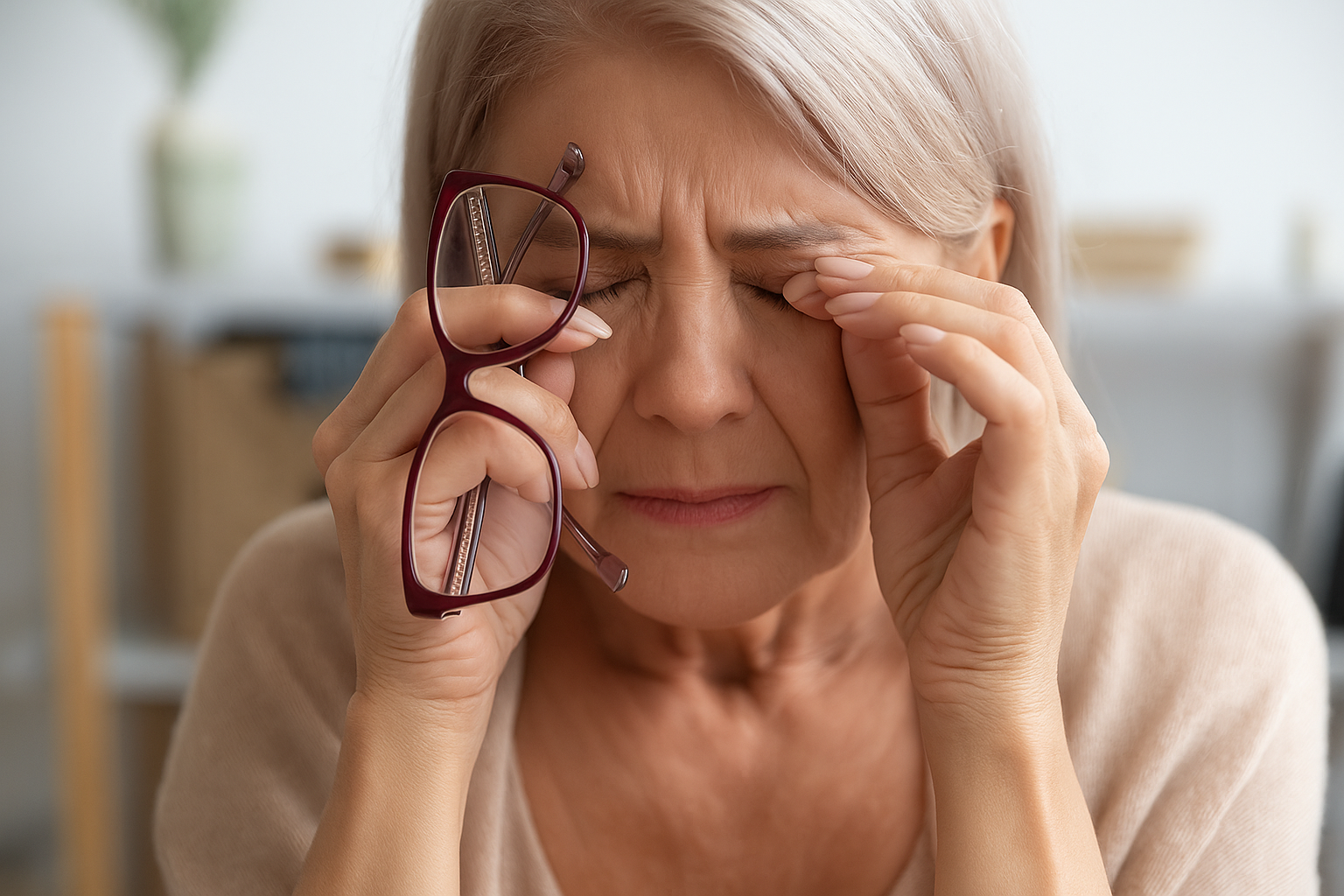
For most people, it begins with small daily difficulties:
- blurred or hazy sight depending on lighting
- trouble keeping text or screens in focus
- halos or glare around headlights while driving
- shadows, floaters, or small dark spots drifting across vision
- discomfort when moving the eyes between near and far objects
But over time, these changes start affecting life in more personal and emotional ways.
When familiar details become harder to see

Many adults say the first moment they truly became concerned wasn’t while reading — but the moment they struggled to recognize a familiar face.
A spouse across the room. A son or daughter waving from the driveway. A grandchild running toward them with arms open.
Details that used to appear instantly now require effort to understand. Expressions seem softer… less defined… almost distant. It can feel like the world is becoming harder to “reach with the eyes.”
This often creates an internal worry that something deeper is happening.
Common symptoms that people experience
- needing stronger lenses more often
- blurry or unstable words, especially at night
- trouble recognizing facial details unless someone is close
- burning, dryness or fatigue after short periods
- sensitivity to bright indoor light
- vision varying from good to unclear throughout the day
- difficulty maintaining clarity for longer tasks
- a sense that vision is “slipping faster than expected”
These symptoms usually appear slowly, then build up over the years.
Why does this happen?

While age contributes, many researchers have been observing that internal factors may influence how the eyes respond and recover over time.
These include:
- reduced efficiency in cellular renewal
- accumulated exposure to light and screens
- natural sensitivity shifts
- slower adaptation when focusing
- increased difficulty maintaining visual stability throughout the day
When combined, these changes may explain why vision begins to feel: less sharp, less consistent, and less comfortable — even with updated prescriptions.
Why so many adults start looking for natural approaches
A frequent frustration reported by adults over 50 is the feeling that:
- new glasses only help temporarily
- some symptoms come back stronger
- clarity fluctuates from one day to the next
- common recommendations don’t address deeper discomfort
This leads many people to explore natural, at-home ways to support visual comfort and understand what may be happening “beneath the surface.”
Not quick fixes — but explanations and approaches that make sense and help them feel more in control.
A simple visual explanation for adults who want clarity
The overview below was prepared to help people understand, in practical terms, what may be contributing to this gradual decline and why certain symptoms appear more often with time.
It organizes the information in a clear and visual way, focusing on:
- everyday symptoms
- internal factors that may influence clarity
- why these changes become more noticeable after 50
If your eyesight has felt harder to manage lately — or if you’ve been searching for ways to naturally support your vision — this explanation may help bring more clarity to what you're experiencing.
This material is for informational and educational purposes only. For personal concerns regarding your vision, consult a qualified eye-care professional.